Enhancing Your Custom Bouquet with Unique Textures
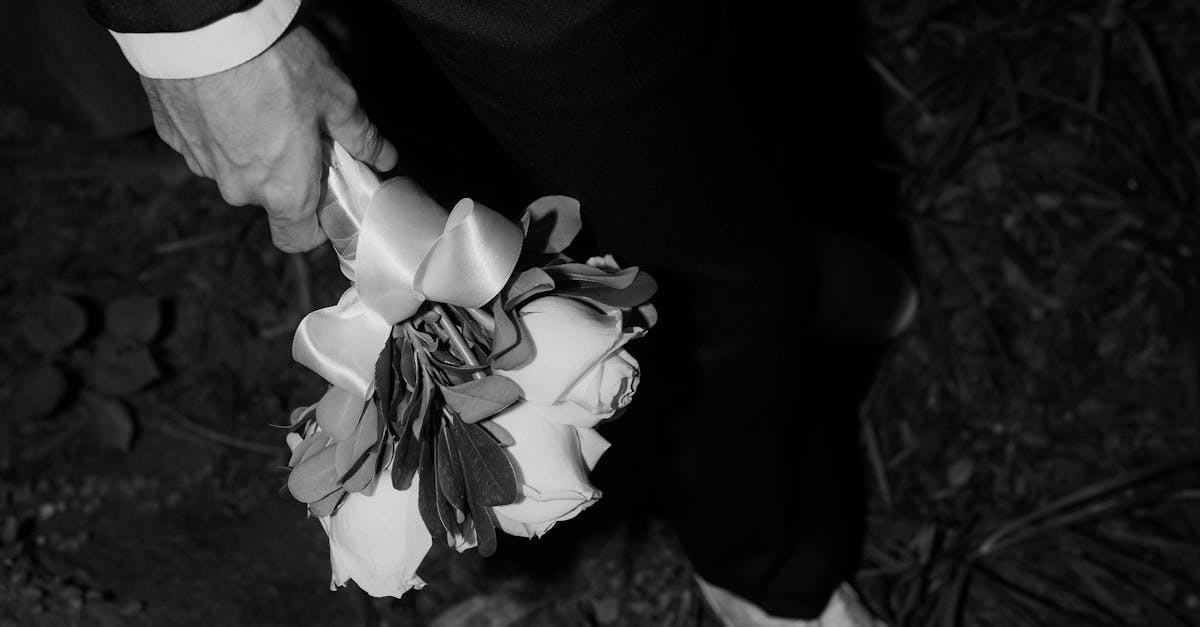
Table Of Contents
The Impact of Ribbon and Fabric
Incorporating ribbons and fabrics into floral arrangements adds a layer of sophistication and individuality. Different materials, such as burlap or satin, create distinctive visual impacts and can either complement or contrast the flowers. Textured ribbons can guide the eye throughout the bouquet, drawing attention to specific blooms while also providing an underlying support system that holds the arrangement together neatly. The colours and patterns selected can evoke specific moods and themes, making the overall presentation more engaging.
Fabric can also enrich the tactile experience of a bouquet. Soft materials like lace impart a sense of delicacy and romance, whereas sturdier fabrics such as canvas can introduce a rustic or modern aesthetic. Combining various textures encourages depth, making a seemingly simple bouquet look intricately designed. The choice of ribbon and fabric not only enhances the appearance but can also harmonise with the event’s theme, ensuring that the floral display stands out while remaining cohesive with the overall decor.
Enhancing Bouquets with Textural Ribbons
Ribbons serve as a versatile addition to any bouquet, offering not only aesthetic appeal but also a tactile experience. By incorporating different textures, such as sheer organza, rustic burlap, or velvet, you can create a more dynamic visual impact. These materials can contrast beautifully with the flowers' smooth petals, enhancing the overall composition. Silk ribbons can lend an air of elegance, while thicker, woven options can introduce a more natural, earthy feel to the arrangement.
Experimenting with how ribbons are tied or draped can further elevate the bouquet's character. Loosely cascading ribbons may evoke a sense of movement, while structured bows can add a sense of formality and sophistication. Additionally, using multiple types of ribbons in one design can allow for playful layering, inviting the eye to explore different textures and colors throughout the arrangement. Such thoughtful combinations can make a simple bouquet stand out and become a more engaging centerpiece.
Choosing the Right Vase
The selection of a vase greatly influences the overall aesthetic of a bouquet. A clear glass vase can showcase the natural beauty of the stems and enhance the colours of the flowers, creating an illusion of depth. Conversely, a ceramic or textured vase provides a more tactile and visually interesting foundation, complementing flowers with their own unique characteristics. Choosing the appropriate shape and size also plays a vital role. Tall vases can elongate the arrangement, while shorter, wider ones may allow for more foliage and a fuller look.
Material considerations are equally important in crafting an appealing floral display. Glass allows light to pass through, amplifying the vibrancy of the arrangement. On the other hand, materials like stone or wood offer an organic touch, adding an earthy element. Each type of vase contributes differently to the arrangement’s texture, creating an interplay between the flowers and their container. The right vase not only supports the floral structure but also enhances the overall visual narrative, drawing attention to the artistry behind the bouquet.
How Vase Material Affects Texture
The choice of vase material plays a crucial role in how textures are perceived in floral arrangements. Glass, for instance, offers clarity and light refraction, which can highlight delicate blooms and intricate details. Conversely, a ceramic vase may add warmth and weight to the overall presentation, blending organic forms with a tactile surface that invites touch. These differences can significantly alter the perception of the bouquet’s textures.
Metal vases introduce a modern edge, often reflecting light and creating dynamic visual effects. The sheen of polished metal can enhance the boldness of vibrant floral hues or soften the look of muted tones through gentle reflections. Meanwhile, natural materials like wood or stone introduce rustic elements, contributing to a more organic aesthetic. Each material not only supports the arrangement but also impacts the overall sensory experience, inviting deeper engagement with the bouquet.
Layering Techniques for Richness
Layering various elements in a bouquet can create depth and richness that captures the eye. Start by selecting flowers of differing heights and shapes to provide a visual contrast. Incorporating foliage is an excellent way to enhance this effect. The greenery can fill gaps between the blooms and add an organic touch, helping to tie everything together.
Incorporating unexpected materials can further elevate your arrangement. Think about adding dried elements such as grasses or seed pods, which contribute a rustic feel. Textural components like feathers or decorative sticks can also introduce an additional layer of intrigue. By thoughtfully placing these items among the flowers, the bouquet becomes a multi-dimensional piece that invites closer inspection.
Building Complexity in your Arrangement
Creating a bouquet that stands out often requires careful layering of various elements. Mixing flowers of different shapes and sizes can add visual intrigue. Incorporating complementary foliage can enhance this effect, drawing the eye and adding depth to the arrangement. Consider using blooms that vary not only in colour but also in structure. This contrast allows the individual components to shine while creating a harmonious overall appearance.
The strategic use of negative space is crucial in adding complexity. Leaving gaps between certain elements can create a sense of flow and movement. This technique helps prevent the arrangement from feeling overcrowded, allowing each flower and texture to be appreciated. Experimenting with height and positioning can further enhance the bouquet's dimension. A visually balanced arrangement often captures attention and evokes emotion, making it memorable.
FAQS
What types of ribbons work best for enhancing a bouquet's texture?
For enhancing a bouquet's texture, consider using wired ribbons, satin, burlap, or lace. Each type adds a different level of depth and dimension to your arrangement.
How does the choice of vase affect the overall appearance of my bouquet?
The choice of vase can significantly impact your bouquet’s appearance as different vase materials like glass, ceramic, or metal can enhance or soften the textures within your arrangement, creating a cohesive look.
What layering techniques can I use to create more complexity in my bouquet?
To build complexity in your bouquet, try layering different types of flowers and foliage, incorporating varying heights and textures, and arranging elements in clusters rather than uniformly for a more dynamic presentation.
Can I mix different fabric textures in my bouquet?
Yes, mixing different fabric textures such as lace with burlap or satin can create a visually interesting bouquet. Just ensure that the textures complement each other to maintain harmony in your arrangement.
How can I maintain the freshness of flowers while using textured materials in my bouquet?
To maintain freshness, make sure to keep the stems hydrated before arranging, avoid placing fabrics directly on the flowers, and consider using floral foam or water tubes to support hydration while incorporating textured materials.
Related Links
Colour Theory in Custom Bouquet DesignSeasonal Flower Selections for Your Unique Bouquet
Incorporating Meaningful Flowers into Your Custom Design
Choosing the Right Shape and Size for Your Custom Bouquet
Sustainable Practices in Custom Bouquet Creation
Crafting Your Dream Bouquet: A Step-by-Step Guide