What to Expect During Your Floral Planning Session
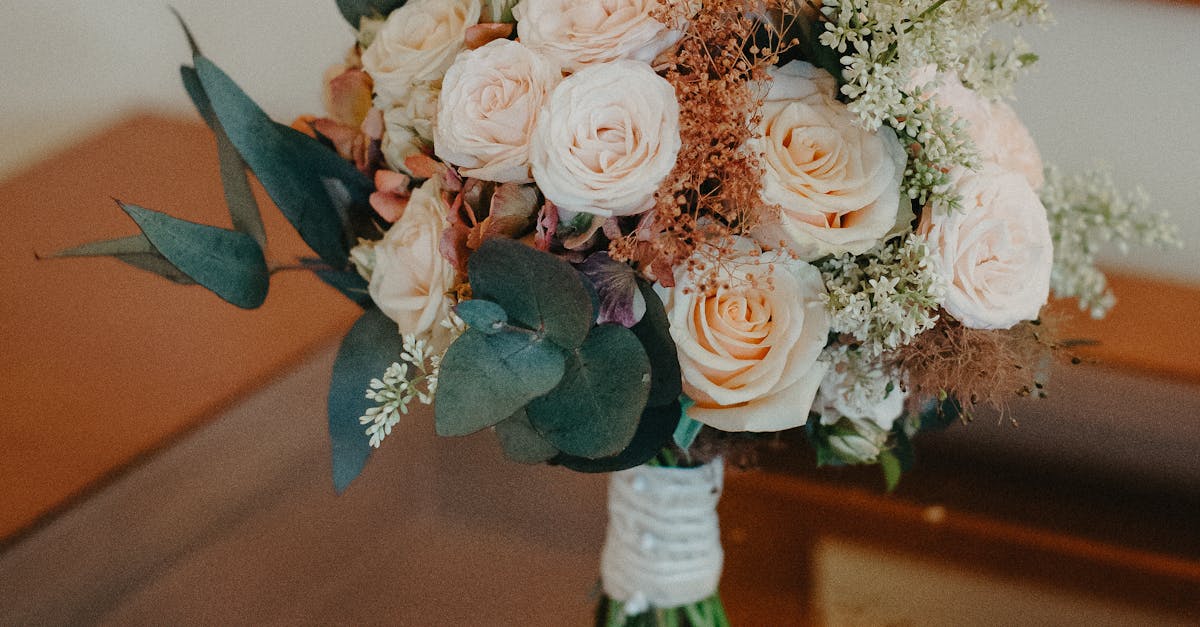
Table Of Contents
Budgeting for Floral Arrangements
Creating a floral budget is a crucial step in planning your event. Begin by determining the overall amount you’re willing to allocate for flowers. This figure should fit within your total event budget, allowing flexibility for other essential elements. Consider all aspects of the floral arrangement costs, including the flowers themselves, delivery fees, and any additional expenses such as vases or rentals.
Once a budget is set, prioritise the floral elements that matter most. If centrepieces are vital to your vision, allocate more funds to them while being mindful of other arrangements. Discussing your budget with a floral designer can help streamline choices and manage expectations. They can provide insights into cost-effective options, seasonal flowers, and alternatives that still fulfil your aesthetic desires.
Tips for Managing Your Floral Budget
Establishing a clear budget at the outset is essential for effective floral planning. Begin by determining how much you are willing to allocate for flowers and arrangement services. Research average costs in your area so you can make informed choices about the types of flowers and arrangements that fit within your financial range. This will not only help in prioritising your floral needs but also avoid overspending during the process.
Consider the overall theme and scale of your event when creating your floral budget. For smaller gatherings, using fewer but more dramatic arrangements can make a strong impact without stretching your budget too far. Alternatively, for larger events, bulk flowers and simpler designs may be the way to go. Keep an open mind to creative alternatives; using seasonal blooms can significantly reduce costs while still achieving stunning visual results.
Selecting Flowers and Foliage
Choosing the right flowers and foliage for your event is an essential aspect of floral planning. It’s important to consider the theme, colour palette, and overall atmosphere you wish to create. Popular options often include classic blooms such as roses, peonies, and dahlias, along with a selection of greenery that can add depth and texture. Incorporating seasonal flowers not only enhances the aesthetic appeal but can also be more cost-effective, as these varieties tend to be more readily available and fresh.
You may also want to explore unique and exotic options that can make a statement in your arrangements. Foliage plays a vital role too, with choices like eucalyptus, ferns, and olive branches providing lush backgrounds that complement vibrant flowers. Combining different shapes and colours can yield striking visual effects, so don’t hesitate to experiment with various combinations. Consulting with your florist can help inspire selections that align beautifully with your vision and preferences.
Popular Flower Choices for Events
Many people lean towards classic blooms like roses for weddings and formal gatherings. Their elegant form and fragrance create a romantic atmosphere. Lilies are another popular option, celebrated for their striking appearance and variety of colours. They can add an air of sophistication to any arrangement, making them ideal for upscale events.
For a more casual vibe, sunflowers are often chosen. Their bright hues evoke warmth and joy, perfect for outdoor celebrations. Gerberas, with their cheerful disposition, also make frequent appearances in floral arrangements for all kinds of occasions. They come in a wide range of vibrant colours and suit both formal and relaxed themes.
Understanding Seasonal Availability
When planning your floral arrangements, it’s essential to consider the seasons, as they significantly influence what flowers and foliage are available. Certain flowers thrive during specific months, meaning their freshness and quality can vary widely throughout the year. For instance, peonies are a popular choice for spring events, while sunflowers shine during the summer months. Knowing the seasonal cycles helps you make informed decisions, ensuring you select blooms that will be vibrant and readily accessible.
Understanding seasonal availability also affects pricing and variety. Flowers that are in peak season tend to be more affordable and abundant, while out-of-season blooms may come with a hefty price tag due to import costs. Additionally, some flowers may not look their best if sourced inappropriately, impacting the overall aesthetics of your arrangements. Being mindful of these factors can lead to better choices that fit both your budget and your vision for the event.
How Seasons Affect Your Floral Options
Seasonal shifts play a pivotal role in determining the availability of various flowers and foliage. Each season brings its own unique bloom, offering a diverse palette for floral arrangements. In spring, flowers like tulips and daffodils emerge, symbolising renewal and freshness. Summer showcases vibrant options such as sunflowers and peonies, perfect for lively and cheerful events. During autumn, richer hues appear with chrysanthemums and dahlias, providing warmth and depth. Winter yields elegant choices like amaryllis and roses, often used for more formal occasions, ensuring a connection to the festive spirit.
Understanding the seasonal dynamics of flower availability can significantly enhance your floral planning experience. Local florists usually adapt their offerings according to what is in season, meaning fresh, vibrant selections are readily accessible. Opting for seasonal blooms not only ensures better quality but can also be more budget-friendly. Additionally, flowers in season tend to reflect the natural beauty of their environment, creating a cohesive theme that resonates with the time of year. This awareness allows for more informed choices, ensuring your floral arrangements align beautifully with the overall aesthetic of your event.
FAQS
What should I bring to my floral planning session?
It's helpful to bring any inspiration photos, colour schemes, and information about your event, such as the venue and guest count. If you have a specific budget in mind, sharing that can also help the florist tailor their suggestions to your needs.
How can I effectively manage my floral budget?
Start by establishing a clear budget range and communicate it with your florist. Prioritise which floral elements are most important to you, and consider alternatives for less critical items. Discuss options for seasonal flowers, as they tend to be more cost-effective.
What flower types should I consider for my event?
Popular flower choices often depend on the type of event and the season. Common options include roses, peonies, and lilies for weddings, while seasonal blooms like sunflowers or dahlias might be perfect for summer events. Your florist can help you select the best options based on your vision.
How does seasonal availability affect my flower choices?
Different flowers bloom in various seasons, which means some may not be available at the time of your event. Your florist will provide a list of seasonal flowers and can suggest alternatives that fit your colour scheme and theme while staying within your budget.
What can I expect during my floral planning session?
During the session, you'll discuss your vision, budget, and any specific floral preferences. The florist will offer suggestions, present options, and help you create a cohesive floral design that aligns with your event's theme and style.
Related Links
Budgeting for Flowers: A Guide for Your ConsultationTips for Effective Communication with Your Wedding Florist
Incorporating Personal Touches in Your Floral Consultation
Seasonal Flowers: Discussing Options During Planning
Understanding Floral Terminology for Better Planning
Choosing the Right Florist: Questions to Ask During Your Session